Key Takeaways
- Tai chi offers gentle, low-impact movements that can help improve balance and reduce fall risk for older adults.
- Regular practice can increase flexibility, strengthen core muscles, and boost confidence in daily movement.
- You can start tai chi at any fitness level with proper modifications and support.
- Senior living communities often provide structured wellness programs that include activities like tai chi.
What Is Tai Chi and Why Does It Work So Well for Older Adults
When you’re looking for gentle ways to stay active and maintain your independence, Kingston Residence of Hickory understands the importance of finding the right activities for your wellness journey. Tai chi is a gentle form of exercise that combines slow, flowing movements with deep breathing and meditation, making it particularly well-suited for older adults looking to improve their physical wellness. Unlike high-impact exercises that can strain joints, tai chi focuses on smooth, controlled motions that feel more like a graceful dance than a traditional workout.
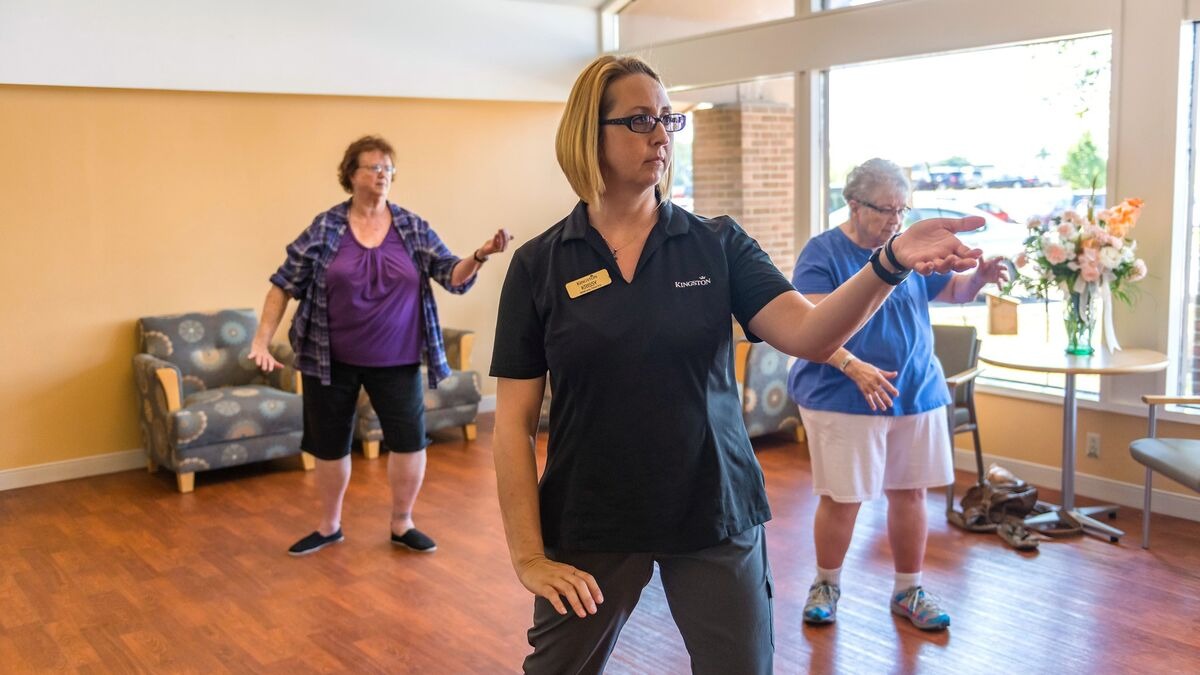
You don’t need any special equipment or previous experience to get started. The movements can be adapted to work with your current mobility level, whether you prefer to stand, sit in a chair, or use support from a wall or railing. This flexibility makes tai chi accessible to almost everyone, regardless of their physical limitations. Many seniors find that assisted living communities like Kingston Residence provide the perfect balance of gentle movement and social connection.
The beauty of tai chi lies in its emphasis on mindful movement. You’ll focus on shifting your weight gradually from one foot to the other, coordinating your breathing with gentle arm movements, and maintaining awareness of your body’s position in space. These elements work together to create a low-impact exercise that’s easy on your joints while still providing meaningful physical benefits.
How Tai Chi Helps Improve Balance and Prevent Falls
Your core muscles play a major role in keeping you steady on your feet, and tai chi specifically targets these important muscle groups through its flowing movements. As you practice shifting your weight and moving through different poses, you’re strengthening the deep muscles in your abdomen and back that support good balance.
The practice also improves what’s called proprioception—your body’s ability to sense where it is in space. Through tai chi’s slow, deliberate movements, you’ll develop better awareness of how your body moves and responds. This heightened awareness can help you react more quickly and effectively if you start to lose your balance during daily activities.
Many people find that regular tai chi practice gives them more confidence when walking, climbing stairs, or navigating uneven surfaces. The controlled weight-shifting exercises you’ll learn translate directly to steadier, more secure movement patterns in your everyday life. Combining tai chi with other gentle exercises, like independent living activities, can provide additional support for your mobility goals.
Mobility Benefits You’ll Notice from Regular Practice
One of the first improvements you might notice is increased flexibility in your joints and muscles. The gentle stretching motions in tai chi can help reduce stiffness, particularly in areas like your shoulders, hips, and spine that tend to become tight with age.
Your range of motion will likely improve as you continue practicing. Simple tasks like reaching for items on high shelves, turning to look behind you while driving, or bending to tie your shoes may become easier and more comfortable. The flowing movements help maintain and gradually increase your joint mobility without straining your joints. Exercise and physical activity guidelines highlight how gentle movement practices can support healthy aging.
Stronger leg muscles are another benefit you can expect from regular tai chi practice. The slow, controlled movements require your leg muscles to work steadily, which can improve stability when walking and increase endurance for daily activities. Many practitioners also report improved posture and less morning stiffness as their bodies adapt to the gentle exercise routine. If you’re also interested in walking as part of your routine, consider exploring the benefits of walking for seniors to complement your tai chi practice.
How to Get Started with Tai Chi: What You Need to Know
Find the Right Class or Instructor
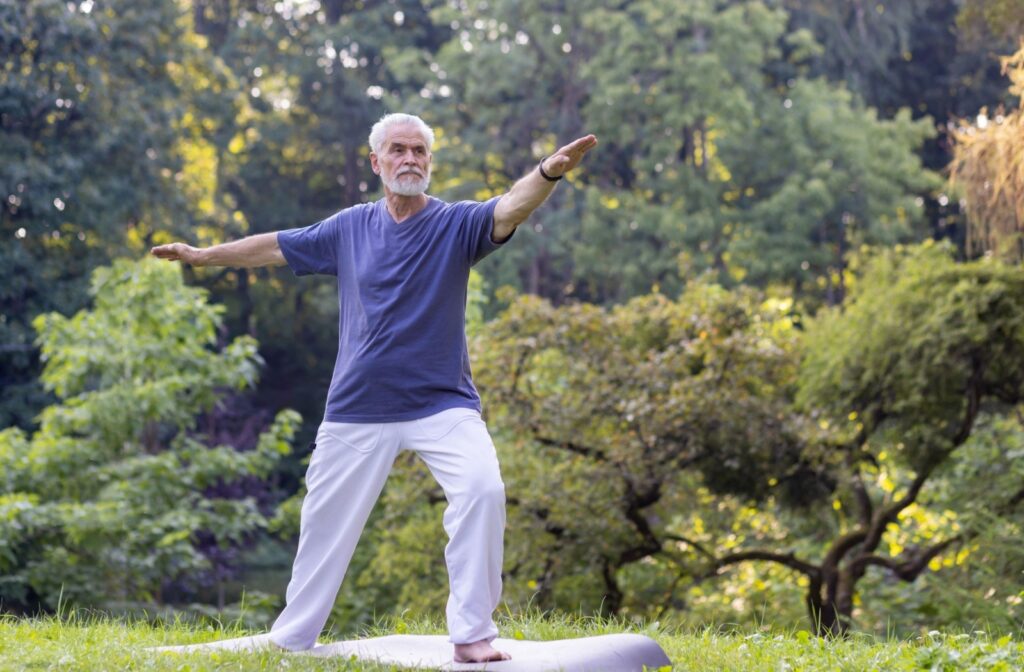
Look for tai chi programs specifically designed for older adults, as these classes can move at a comfortable pace and include modifications for different ability levels. The right instructor can understand common mobility challenges and know how to adapt movements for participants who need extra support.
If standing for extended periods is difficult for you, ask about chair-based tai chi classes. These modified versions allow you to experience all the benefits of tai chi while seated, making the practice accessible even if you have mobility limitations or balance concerns. Kingston Residence offers similar gentle movement options that you can practice comfortably.
What to Expect in Your First Session
Your first tai chi session can typically begin with simple warm-up movements to help your body prepare for the practice. You’ll learn basic breathing techniques that coordinate with gentle movements, creating a relaxing and meditative experience.
Don’t worry about memorizing complex sequences right away. Most instructors can start with just a few foundational poses and movements, allowing you to move at your own comfortable pace. The focus is on learning the principles of tai chi rather than perfecting every movement from the start. Senior workout guides can provide additional context for starting new exercise routines safely.
Safety Tips and Modifications for Different Ability Levels
Starting slowly is important when beginning any new exercise routine, and tai chi is no exception. Give your body time to adapt to the new movements by practicing for shorter periods initially and gradually increasing your session length as you become more comfortable.
Don’t hesitate to use support when you need it. A sturdy chair or wall can provide stability while you’re learning new movements or if you feel unsteady at any point. Wearing comfortable, non-slip shoes can help you maintain good footing during practice. For guidance on supportive footwear, Kingston Residence’s wellness programs can improve your stability and comfort.
Remember to stay hydrated and listen to your body throughout your practice. Take breaks whenever you need them, and modify any movement that doesn’t feel comfortable. The goal is to enjoy the experience while supporting your health and wellness, not to push through discomfort or pain.
Discover How Kingston Can Support Your Independence and Wellness
If you’re considering senior living options that prioritize active, healthy lifestyles, contact Kingston Residence of Hickory to learn more about how their personalized approach can support your wellness goals and help you maintain the independence you value.